


 Bridal Manufacturing for Wholesale and OEM Orders
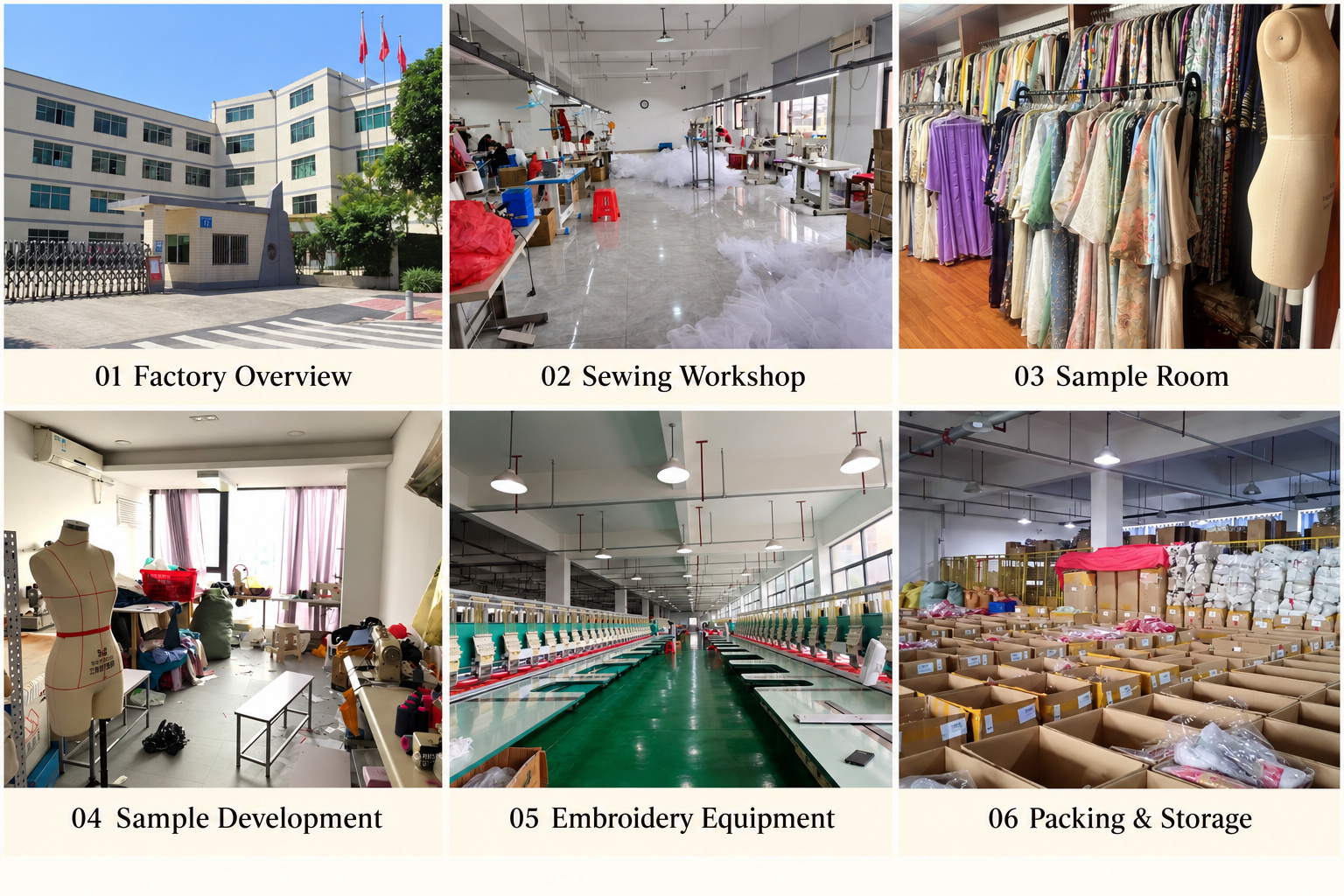
Vowmelle manufactures wedding dresses in Suzhou, China, for bridal boutiques, wholesalers, importers and private label brands. Production supports existing wholesale styles, approved design modifications and new OEM development.
The manufacturing specification brings together the dress design, materials, measurements, construction, decoration and packing requirements. Each order needs an agreed reference before bulk work begins. A simple satin dress and a heavily embellished layered gown require different material preparation, sewing time and handling.
Send your style references, quantity breakdown and delivery requirements so we can review the production scope.
Pattern Development and Sample Confirmation
Production begins with a workable pattern and an approved sample. Front and back references alone may leave neckline support, lining, closures and internal construction undefined.
During bridal pattern development, these details are translated into garment panels and construction requirements. The base sample is reviewed against the buyer’s measurements before the agreed size range is developed.
Sample comments should identify the required changes by location and measurement point. Confirm the final pattern version, material references and decoration instructions together. Changes after approval can affect purchasing, cutting and production scheduling.
Material Preparation and Fabric Inspection
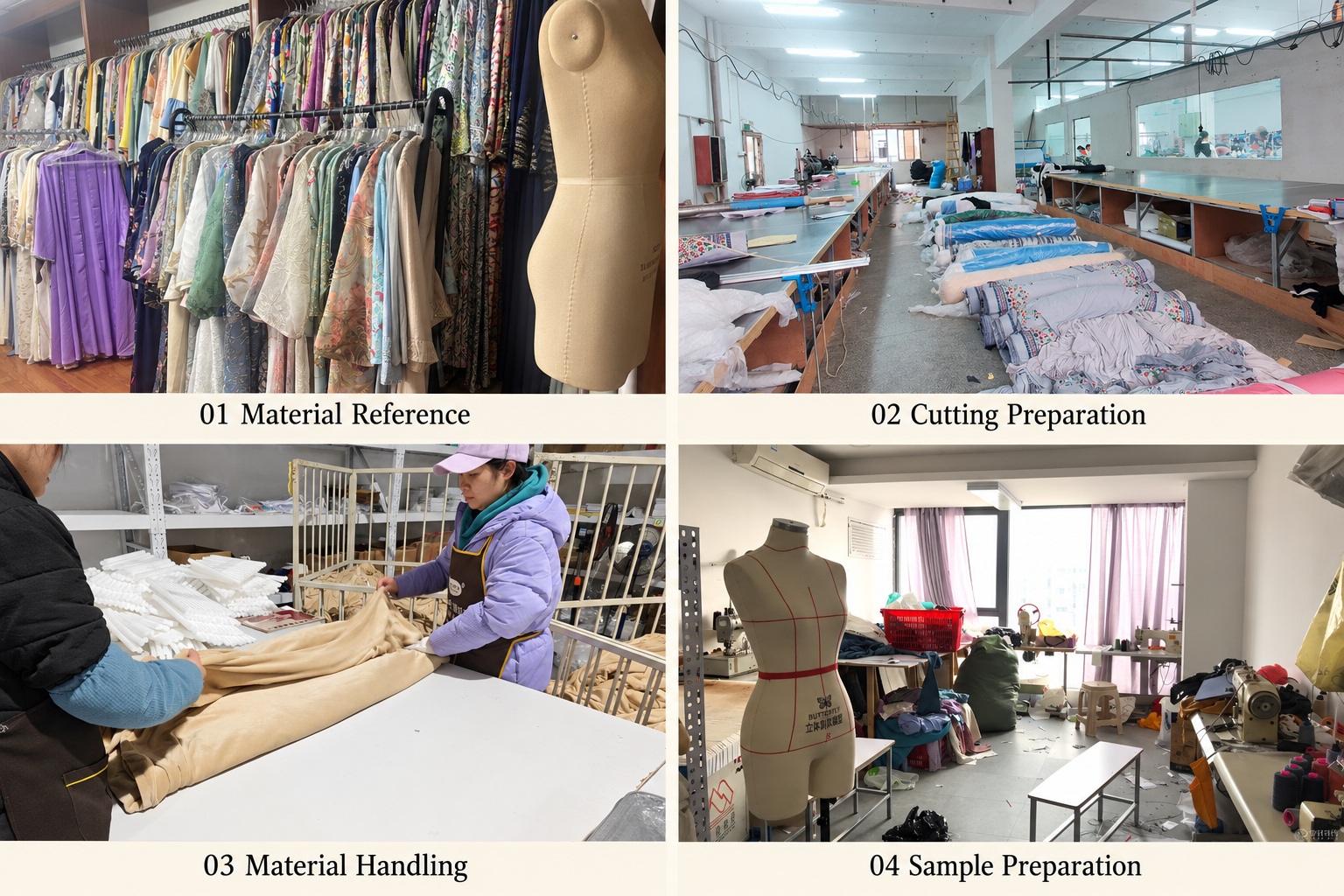
Main fabric, lace, lining, tulle, trims and embellishment components are checked against the approved references. Material review covers visible defects, shade consistency, usable width and the appearance of combined layers.
Lace direction and motif size influence cutting and placement. Satin surfaces need careful handling to avoid marks, while sheer materials require attention to snags and distortion. Where a selected material becomes unavailable, a proposed substitute needs buyer approval.
Material preparation should also account for the ordered sizes and decoration coverage. Purchasing quantities cannot be based on garment count alone.
 Fabric Spreading, Cutting and Panel Identification
Fabric is prepared and cut according to the approved patterns, material characteristics and size breakdown. Grain direction, surface appearance and lace motifs need consideration when arranging the pieces.
Layered skirts may contain several fabrics with different lengths and fullness. These components need clear identification so the correct panels remain together through sewing.
Careful handling during fabric spreading and cutting helps reduce distortion and avoid mismatched pieces. Changes to train length, skirt volume or size proportions should be resolved before bulk cutting.
Sewing and Bodice Construction
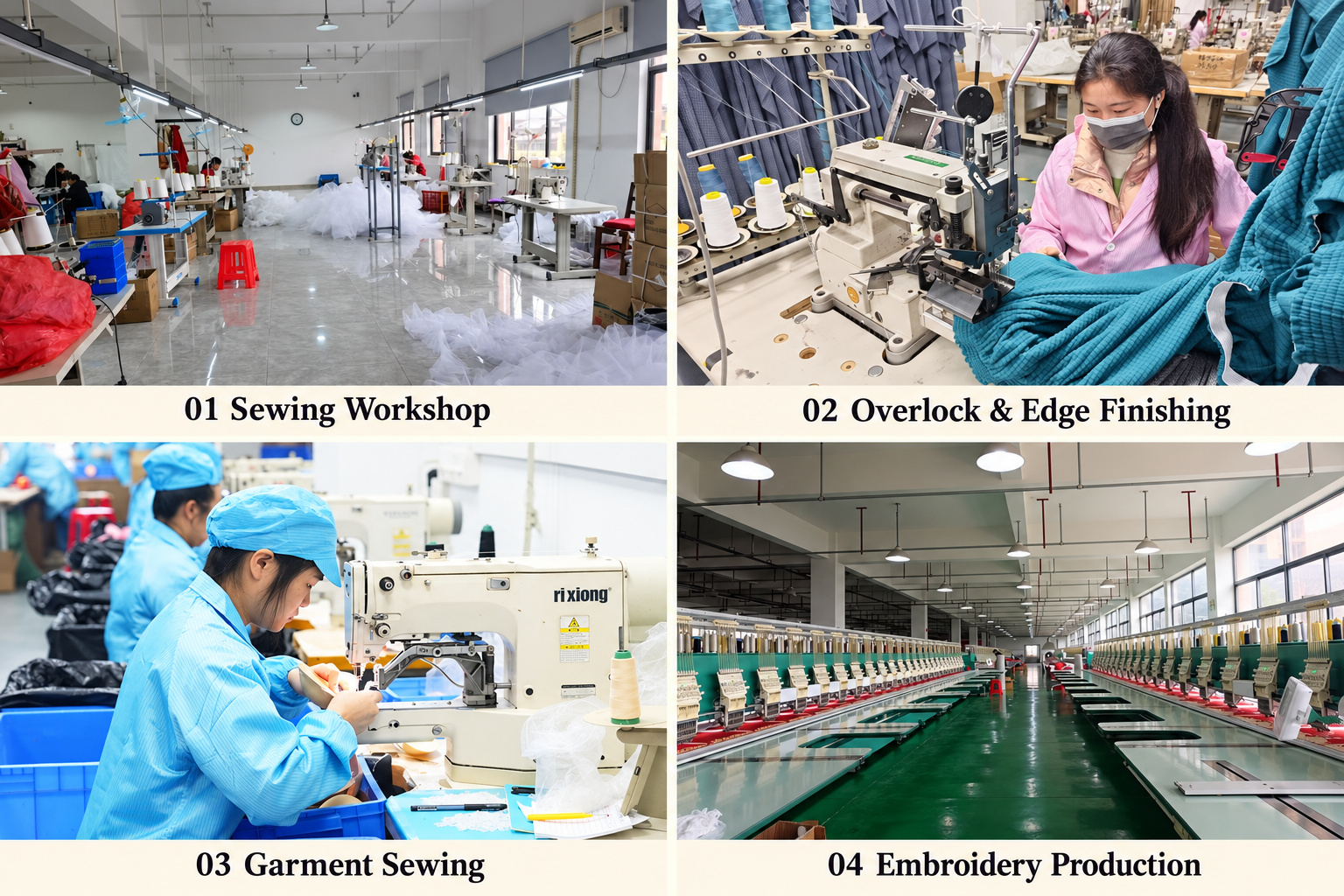
Garment assembly establishes the dress shape, support and finish. Sewing requirements vary between structured bodices, soft draped styles and multi-layer skirts.
Cups, boning channels, lining and closures should follow the approved construction. Seam bulk, strap attachment and waist connections affect comfort and appearance. Sleeve and armhole assembly also needs to suit the selected fabric and intended movement.
Construction checks during sewing help identify uneven seams, puckering, trapped lining and closure interference before decoration or final finishing makes corrections more difficult.
Lace Placement and Hand Embellishment
Lace and appliqué are positioned against the approved sample and placement references. Motifs need attention around neckline edges, shaping seams, sleeves and train borders.
Beading and other handwork add production time according to component type, coverage and density. Attachment methods must suit the base material, with the reverse side reviewed for exposed threads and uncomfortable contact.
During beading and hand embellishment, consistent visual coverage matters alongside secure attachment. Material substitutions or decoration changes require confirmation.
 Pressing, Measurement and Appearance Inspection
Finishing needs to suit the fabric and decoration. Heat, pressure and handling are reviewed carefully around delicate lace, raised beads and structured bodices.
Inspection compares the dress with approved measurements and appearance references. Relevant checks include seam condition, lace placement, closures, loose decoration, stains, visible thread and lining coverage.
Use the agreed measuring methods and tolerances. Any third-party inspection arrangements should be confirmed before shipment planning, including the inspection scope and timing.
Protective Packing and Export Preparation
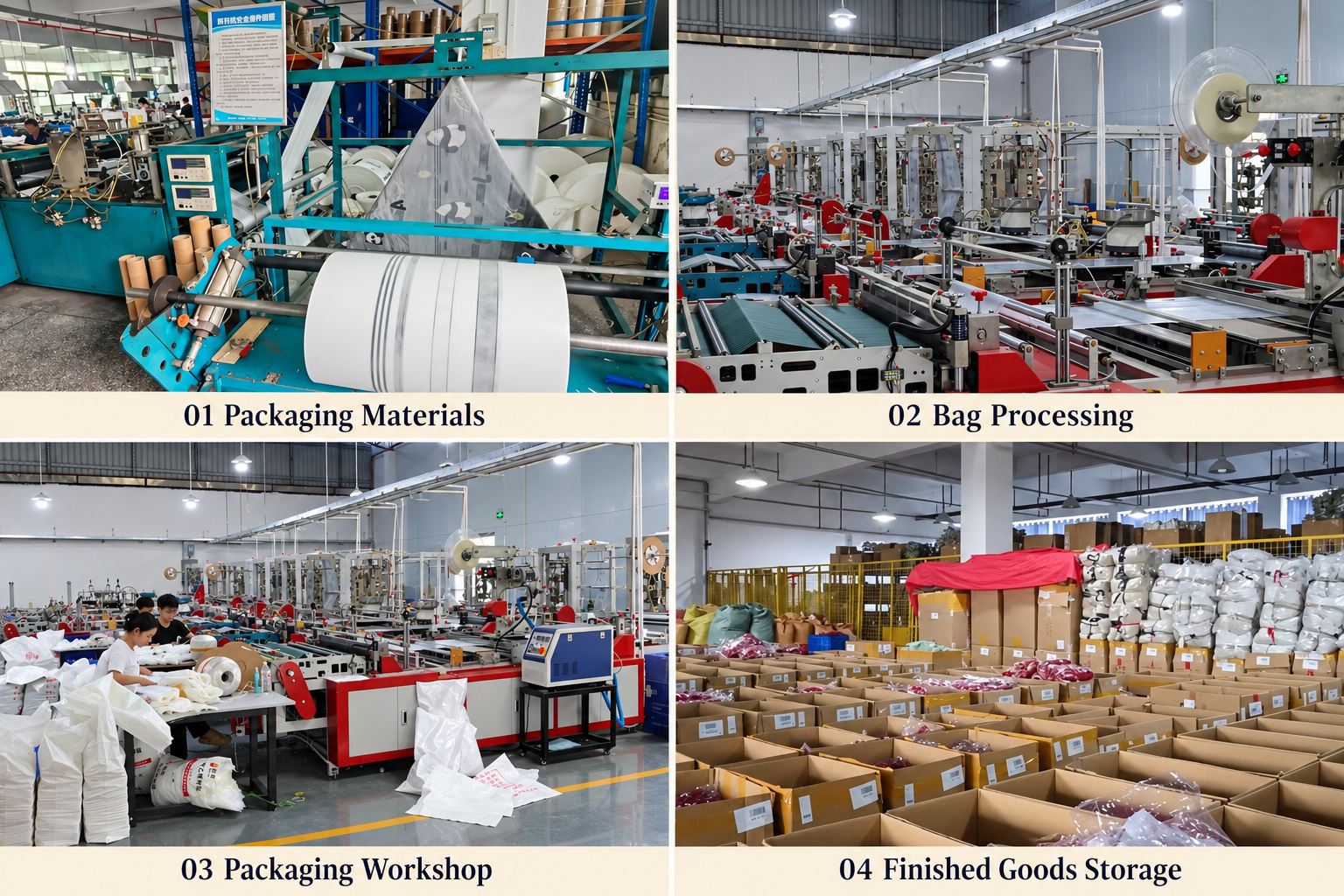
Packing follows the approved garment bag, identification and carton instructions. Protective layers help separate embellished surfaces, while the folding arrangement should avoid crushing cups or trapping lace edges.
During final packing and export preparation, style, color, size and SKU identification are matched with carton assortments and packing lists.
Shipping terms and destination requirements are confirmed for each order. Freight estimates depend on the final packing arrangement, dimensions and weight.
 Confirm Quantities and Production Timing
Existing styles generally start at 20–50 pieces per order, modified styles at 30–50 per style/color, and new OEM or private label development at 50–100 per style/color.
Wholesale or repeat production usually takes 25–35 days; OEM orders usually take 35–45 days. Complex styles may require 45–60 days. Confirm the schedule against sample approval, material readiness and order details, with shipping time planned separately.